
Does Acupuncture Really Work? What the Science Says
It’s a question many ask when considering traditional therapies: is acupuncture just an ancient tradition, or does it hold up under the scrutiny of modern science?
As a Doctor of Chinese Medicine with over 30 years of healthcare experience, I’ve seen the transformative effects firsthand at my Blouberg practice. But you don’t have to take my word for it—modern research is increasingly backing up what practitioners have known for centuries.
The Scientific Shift: From “Alternative” to “Evidence-Based”
In recent years, the amount and quality of acupuncture evidence has grown significantly. Large-scale clinical trials and meta-analyses (studies of many studies) now support its use for a variety of conditions.
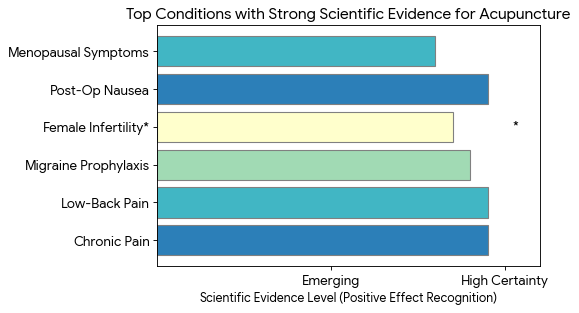
- Chronic Pain Management: The American College of Physicians now recommends acupuncture as a first-line, non-drug treatment for chronic low-back pain. Research involving over 20,000 patients has shown that the pain-relieving effects of acupuncture are not only significant but also persist for at least 12 months.
- Migraines and Headaches: Studies indicate that acupuncture can be more effective than sham treatments and just as effective as preventative medications for migraines—often with fewer side effects.
- Fertility Support: Research has shown beneficial effects when acupuncture is used as a complementary treatment alongside IVF, helping to reduce stress and improve reproductive outcomes.
- Postoperative and Cancer Care: It is widely recognised for reducing postoperative nausea and vomiting and helping with cancer-related fatigue.
How Does It Work? (The Western Perspective)
Modern science explains the effectiveness of acupuncture through several biological pathways:
- Neurotransmitter Release: Needling stimulates the nervous system to release natural chemicals like endorphins (the body’s natural painkillers), serotonin, and dopamine, which modulate pain and improve mood.
- Autonomic Regulation: Acupuncture influences the autonomic nervous system, helping the body shift from a “fight or flight” stress state into a “rest and digest” state of relaxation.
- Connective Tissue Stimulation: The physical act of inserting a needle triggers mechanical signals in the connective tissue (fascia), which can lead to local healing responses and improved blood circulation.
- Brain Remodeling: Advanced imaging shows that regular acupuncture can actually help the brain process pain differently over time by “rewiring” specific neural networks.
A Holistic, Personalised Approach
While Western science focuses on the “how,” Chinese Medicine looks at the “who.” At our rooms, we don’t just treat symptoms; we treat the individual. Whether you are dealing with chronic pain, fertility challenges, or high stress, we combine 2,500 years of wisdom with modern clinical skills to help you achieve balance.
Acupuncture is a safe, effective, and professional healthcare option. If you’re ready to see what the science can do for you, you can book an appointment online or contact our Blouberg practice directly.