
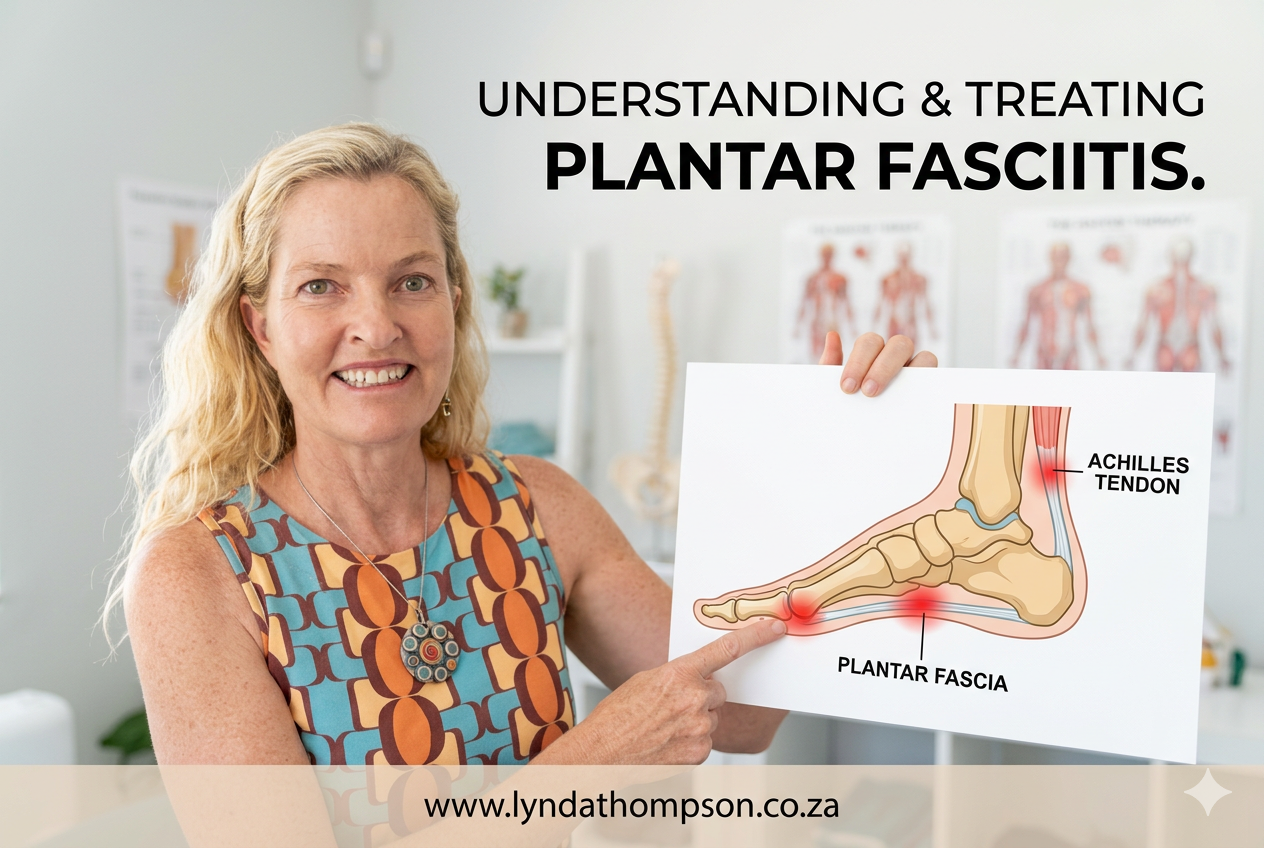
Struggling with that first-step-of-the-morning heel pain? You aren’t alone—plantar fasciitis affects roughly 10% of the population. While traditional methods like rest and stretching are standard, acupuncture is a clinically backed, drug-free alternative that can significantly accelerate your recovery.
How Acupuncture Targets Plantar Fasciitis
Acupuncture doesn’t just mask the pain; it targets the underlying inflammation and tension in the foot and calf:
- Reduces Inflammation: Needling triggers the release of adenosine and cortisol, the body’s natural anti-inflammatories, to soothe the plantar fascia.
- Releases Muscle Tension: Specialists often use trigger point acupuncture on the calf (gastrocnemius/soleus) to reduce the “tug” on your heel.
- Speeds Tissue Repair: The micro-stimulation recruits fibroblasts to the area, which are essential for producing the collagen needed to heal micro-tears.
- Natural Pain Relief: Sessions stimulate the brain to release endorphins, providing immediate relief without the side effects of NSAIDs or steroid injections.
What to Expect
Most patients begin to feel a noticeable reduction in morning pain within 3 to 5 sessions. For lasting results, practitioners typically recommend:
- Frequency: 1–2 sessions per week for 4 to 6 weeks.
- Complementary Care: Acupuncture works best when paired with physical therapy, stretching, and proper arch support.
Ready to get back on your feet? Book an appointment online at https://lyndathompson.co.za/book-appointment/ with Dr Lynda Thompson an acupuncturist and Chinese doctor.
Plantar Fasciitis & Acupuncture: Frequently Asked Questions
- How exactly does acupuncture help with plantar fasciitis?
Acupuncture addresses heel pain through several biological mechanisms. It stimulates the release of endorphins and adenosine, which act as natural painkillers. Additionally, it improves blood circulation to the foot, helping to reduce inflammation and delivering essential nutrients for tissue repair. - How many sessions will I need before I feel a difference?
While some patients feel immediate relief, chronic cases often require a cumulative approach. Research shows significant pain reduction is typically achieved within 3 to 6 weeks of regular treatment. A common protocol involves 1–2 sessions per week initially, tapering off as symptoms improve. - Is the treatment painful?
Most patients describe the sensation as a mild prick, tingling, or a “dull ache” rather than sharp pain. The needles used are ultra-fine and sterile, and many people find the acupuncture sessions deeply relaxing. - Can acupuncture be used alongside other treatments?
Yes. In fact, it is often most effective when integrated into a comprehensive care plan. It pairs well with physical therapy, stretching, orthotics from podiatrist, and proper footwear to address both the symptoms and the root causes of foot stress. - Are there any side effects?
Acupuncture is generally considered safe with minimal side effects. Some patients may experience minor, temporary bruising or localized soreness at the needle sites. It is always recommended to use a certified practitioner to ensure the highest safety standards. - Why does my acupuncturist use needles in my hands or legs for foot pain?
In Traditional Chinese Medicine, certain “distal” points are highly effective for treating pain in other parts of the body. For example, the point PC7 on the wrist is often used specifically for heel pain due to its influence on the body’s energy pathways or meridians.